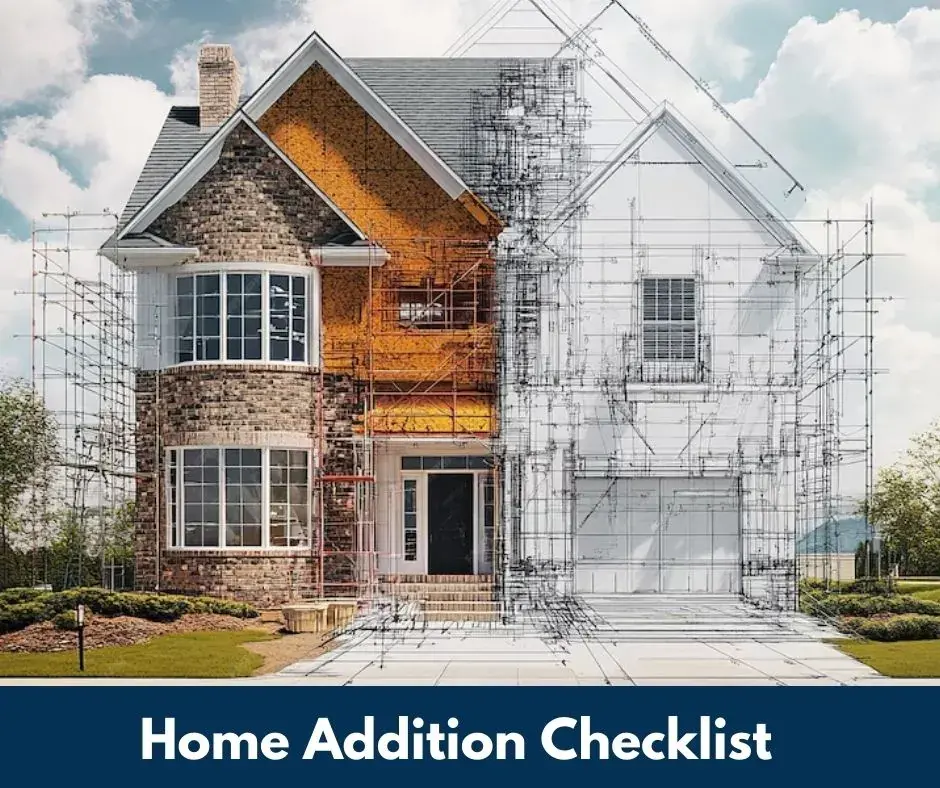
Remodel or move comes down to two questions: do you want to stay where you live, and can this house become what you need on this lot? If both answers are yes, remodeling usually wins. If the location itself is the problem, or the lot, zoning or layout cannot give you the space, moving is the better choice. The table and checks below help you answer both.
Not sure what your lot allows? Call QA Builders at (669) 213-8077 or request a free consultation and estimate before you decide.
The short verdict: who each option suits
Remodeling suits you if:
- You like your neighborhood, schools and commute, and want to stay.
- The house is sound, and its problems are layout, size or dated rooms.
- The lot has room to add space, outward or upward.
- You have a low-rate mortgage you would rather keep.
- You can live with some disruption, or arrange to stay elsewhere for the worst of it.
Moving suits you if:
- You need a different location: closer to work, different schools, a different kind of neighborhood.
- The house has major structural or foundation problems on top of everything else.
- Zoning, easements or the shape of the lot block the space you need.
- You need the change soon and cannot wait for design, permits and construction.
Remodeling vs buying a new home, side by side
| Factors | Renovating | Buying a New Home |
|---|---|---|
| Cost | Can be cheaper, especially with existing low-rate mortgages | Higher upfront costs, including new mortgage, closing fees, etc. |
| Financing Options | Home equity loans and HELOCs can offer flexibility | Requires a new mortgage, potentially at higher interest rates |
| Time | May take time, especially for large renovations | Move-in ready, faster solution |
| Neighborhood | Stay in the same community you love | Move to a new location, which could be better or worse |
| Emotional Attachment | Keep the home you’ve built memories in | Start fresh in a new home |
| Home Value Increase Potential | Can increase home value with smart upgrades | Home value depends on market conditions and location |
| Customization | Tailor your home exactly to your liking | Limited to what’s available on the market |
| Moving Costs | No moving expenses | Must pay for movers, packing, and related expenses |
| Disruption | Noise, dust and rooms out of use during construction; a temporary move for large projects | Packing, selling, a move and settling into a new area |
| Approvals | Plans, permits and inspections for structural, plumbing and electrical work | Loan approval, inspections and escrow |
| Property taxes in California | New construction is generally assessed for the value it adds | The home is reassessed at its current market value when you buy |
Sources for the last rows: the California State Board of Equalization explains that a purchase triggers reassessment of the property to its current market value, and the City of San Jose’s ADU guidance says taxes rise based on the value of the new unit. Homeowners 55 or older, or severely disabled, may be able to carry their tax base to a replacement home; ask the county assessor before you count on it.
When remodeling is the better choice

- The housing market is expensive. If prices in the area you want have climbed, it may cost less to improve your current home than to buy a bigger one. High prices and bidding wars are a common reason people renovate instead.
- You want more comfort and more value. Improvements like a modern kitchen or added space make the home better to live in and can raise its future sale price.
- You have good financing options. Home equity loans or lines of credit (HELOCs) can fund a renovation. If you hold a low-rate mortgage, remodeling may cost less than buying and taking a new mortgage at a higher rate.
- You love your area. If you are attached to your community, renovating lets you stay where you are while upgrading your living space.
- You want to avoid moving costs and hassle. Moving is stressful and expensive. Renovating sidesteps movers, real estate agent fees and closing costs, which add up quickly.
When moving is the better choice
Remodeling has real advantages, but there are times when buying is the honest answer, and a good contractor should tell you so.
- Renovation costs are too high. When a house needs major repairs or structural work on top of the changes you want, the total can approach the cost of buying.
- You want convenience. Renovations take time and attention. If you would rather move into a finished home, buying is the easier route, especially compared with a large project that runs for months.
- Location is the priority. If you need to be closer to work, better schools or a different neighborhood, no renovation solves that.
- Zoning or layout limits. Sometimes zoning rules or the layout of the house prevent the change you need. If you need much more space and the lot cannot take it, moving may be the only way to get it.
Can your house grow? A San Jose feasibility check
The “can it grow” question has a factual answer, and it is worth getting before you list the house. For a San Jose single-family home, these are the checks:
- Zoning and setbacks. Find your zoning district on the city’s zoning map and measure the space left between your house and the required setbacks; our home addition checklist lists the San Jose numbers.
- Room behind the house. A single-story rear addition with a low roof may come within 15 feet of the rear line over part of the yard (section 20.30.280), which often makes a family room or primary suite possible on a shallow lot.
- Going up. If the lot is full, a second story can double the floor area, provided the foundation and walls can carry it or be strengthened.
- Easements and hazard zones. Easements in your title report are usually off limits, and a flood or geologic hazard zone (shown for your address on SJPermits.org) adds design rules.
- A separate unit. If the need is a place for a parent, a grown child or a tenant, an ADU or a junior ADU in the garage may solve it without touching the main house.
If these checks show the space fits, remodeling becomes a real option. If they show it does not, you have your answer without paying for plans.
The costs each path hides
Both paths have costs that are easy to miss when you compare a sale price with a construction bid.
Moving: agent commissions on the sale, closing costs on both sides, movers, the reassessed property tax on the new home, a new mortgage at today’s rate, and the work the new house will need anyway (few homes are exactly right on day one).
Remodeling: design and engineering, permit and plan review fees, possibly a few weeks of temporary housing during the most disruptive phase, and a contingency for what is found inside walls.
For addition budgets specifically, see home addition cost in San Jose.
Four tests that settle it
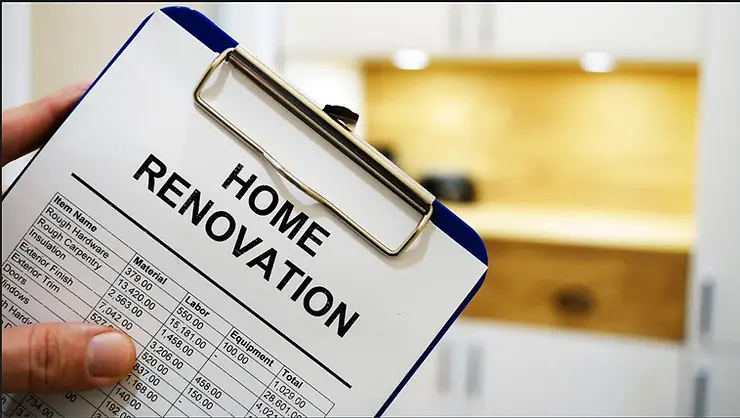
- The market test. Find the asking price of a home in the area you want that already has the space you need. Compare it with what your home would sell for, plus the moving costs above, against the remodel estimate. In a competitive or inflated market, renovating often wins this test; where comparable homes are reasonably priced, buying can.
- The condition test. Have the foundation, roof, wiring and plumbing checked before you price the remodel. If the house has major issues such as structural damage, add that work to the remodeling side; if it doubles the bill, buying may save you from pouring money into repairs.
- The time test. If you plan to stay for many years, the remodel serves you for all the years you stay. If you may sell within a few years, count only the improvements buyers in your area pay for; with uncertain plans, buying may give you more flexibility.
- The disruption test. Write down which rooms your household can live without, and for how long. If the answer is “not the kitchen, not at all”, price a short-term rental for the worst phase and add it to the remodel side.
A middle path: add a unit instead of moving
Some families want to move only because they need room for one more person: a parent, a grown child, a caregiver. In San Jose an accessory dwelling unit (ADU) or a junior ADU of under 500 square feet inside the existing footprint, such as a converted attached garage, can solve that without selling. Read the benefits of building an ADU to see whether it fits your situation.
Talk to QA Builders before you decide
If remodeling is on the table, bring your list of needs to a free consultation and estimate with QA Builders. We build home additions and whole house remodels as a licensed California general building contractor (CSLB License #1073096) with over 15 years of experience, for homeowners in San Jose, Willow Glen, Santa Clara, Sunnyvale, Campbell, Saratoga, Los Gatos, Cupertino, Palo Alto, Mountain View and nearby towns. Call (669) 213-8077 or contact us.