Three common and costly home remodeling mistakes are setting an unrealistic budget, skipping permits and hiring the wrong contractor. As experienced professionals in the renovation industry, we have noticed the same common renovation mistakes again and again; below are all 14, each with how to avoid it, followed by a short check to run before any work starts.
Planning a remodel and want a second pair of eyes on the plan? Call QA Builders at (669) 213-8077 or request a free consultation.
The 14 home remodeling mistakes and how to avoid them
1. Not setting a realistic budget

One of the most common errors we see is underestimating what a renovation costs. We have worked on projects where the starting budget covered barely half of the renovation, because unforeseen expenses were left out. A plumbing problem found inside a wall or a jump in material prices can push costs up fast.
How to avoid it: build a detailed, flexible budget. Split it into categories (materials, labor, permits, contingency), and set aside an extra 15-20% for costs you did not anticipate. With that cushion, a surprise does not stop the project. For real numbers, see our cost guides for kitchens, bathrooms and home additions.
2. Skipping thorough planning
In our experience, many homeowners are in such a hurry to start that they skip proper planning. We have seen projects stall because materials arrived late or turned out to be wrong for the job.
How to avoid it: plan everything before demolition. That means drawings, a schedule, a materials list with lead times, and a clear idea of who does what. Think about how each room fits the rest of the house, rather than only the room in front of you. Planning saves time and money, and it keeps the plan practical.
3. Hiring the wrong contractor
Over the years we have met many homeowners who regretted their choice of contractor because of budget overruns or unsatisfactory work. Taking the lowest bid often produces poor results.
How to avoid it: hire on expertise, not price alone.
- Get several written quotes on the same scope; California’s contractor board recommends at least three and warns against any bid far below the others.
- Check the contractor’s license, insurance, experience and previous projects.
- Ask for references and read reviews.
- Insist on a written contract that spells out the work, the materials, the price, the payment schedule and who pulls the permits.
Paying a bit more for an experienced contractor usually means better work and fewer headaches later. Our guide on how to choose a remodeling contractor covers the license check and the questions to ask.
4. Choosing cheap materials
Cutting costs with cheaper materials is tempting, but we have seen how it backfires: poor-quality materials wear out quickly, and replacements often come within a few years.
How to avoid it: put quality first where wear is highest: floors, kitchens and bathrooms. Ask your contractor where a mid-range product performs as well as a premium one, and where it does not. Better materials need less maintenance and fewer repairs.
5. Ignoring permits
In our professional experience, many homeowners skip building permits to save time or money. It is a risky move that can lead to fines and to problems when you sell.
How to avoid it: always check what your project needs, and have your contractor pull the permits before work starts.
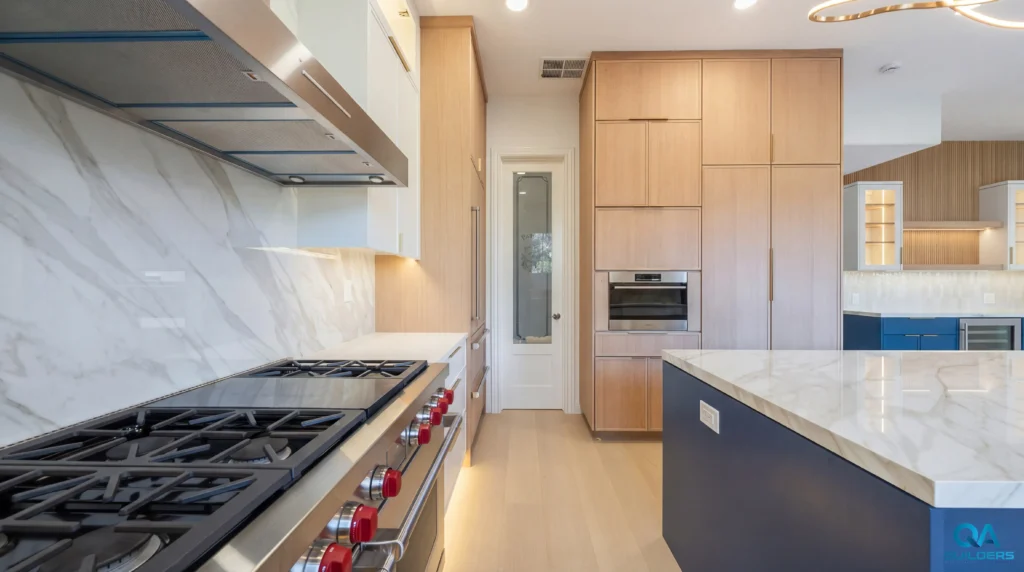
In San Jose, cosmetic work (painting, cabinet refacing or replacement, countertop replacement, floor finishes, tile with no structural change) needs no building permit, but additions, wall changes, structural work, most plumbing, electrical and mechanical work, and installing major appliances do. The city gives two reasons that matter to every owner: state law requires you to disclose unpermitted work when you sell, and insurance generally will not cover damage related to unpermitted work. Skipping a permit may save a few weeks at the start, and cost far more in fines or rework later.
6. Overlooking functional design
A renovation should look good, but it also has to work for daily life. We have seen rooms remodeled purely for looks that ended up beautiful and impractical.
How to avoid it: think about how the space will be used every day, then plan storage, lighting and the flow through the room. Talking to a designer helps you balance form and function. In a kitchen, that starts with the work zones; our guide on how to design your dream kitchen walks through it.
7. Doing too much DIY
DIY can save money, but people often take on more than they can handle, and we have often been called in to finish projects that got too complex. Plumbing and electrical work, for example, need a professional to be done safely and to code.
How to avoid it: stick to tasks you are confident in, such as painting or assembling furniture, and leave wiring, plumbing and anything structural to licensed professionals. DIY is fine for simple projects, not for major installations.
8. Not fixing structural issues first
A new kitchen or bathroom looks great, but it will not last on a cracked foundation or under a leaking roof. One of the biggest mistakes we see is focusing on looks while structural problems wait.
How to avoid it: before any cosmetic work, have a professional check the house for water damage, electrical hazards and foundation cracks. Problems ignored now become far more expensive repairs later. New cabinets will not matter if the foundation is compromised, so safety and structure come first.
9. Misjudging lighting needs

Lighting is often left until the end, yet it decides whether a room feels pleasant or harsh. A poorly lit room feels gloomy, and an over-lit one feels glaring.
How to avoid it: plan lighting with the layout, not after it. Mix ambient, task and accent lighting, put dimmers on the main fixtures so the light suits the time and activity, and use windows for natural light wherever you can. Wiring is easy to add while walls are open and expensive afterwards.
10. Not planning proper ventilation
Kitchens and especially bathrooms collect moisture. Many homeowners do not think about ventilation and end up with mold or humidity damage on walls and floors.
How to avoid it: install good exhaust fans in bathrooms and a range hood in the kitchen, both vented to the outside. Energy-efficient models remove moisture without driving up energy bills. Good ventilation keeps the house healthy and prevents mold and mildew later.
11. Forgetting about energy efficiency
Most homeowners are so focused on the new look that they miss the chance to cut energy costs. In our experience, that is a lost opportunity to lower long-term costs and make the house more sustainable.
How to avoid it: while walls and ceilings are open, add insulation and consider energy-efficient windows and appliances. Smart thermostats, LED lighting and, where it makes sense, solar panels add to the savings. These upgrades cost more up front but pay back in lower bills and can add resale value.
12. Ignoring how the house meets the yard
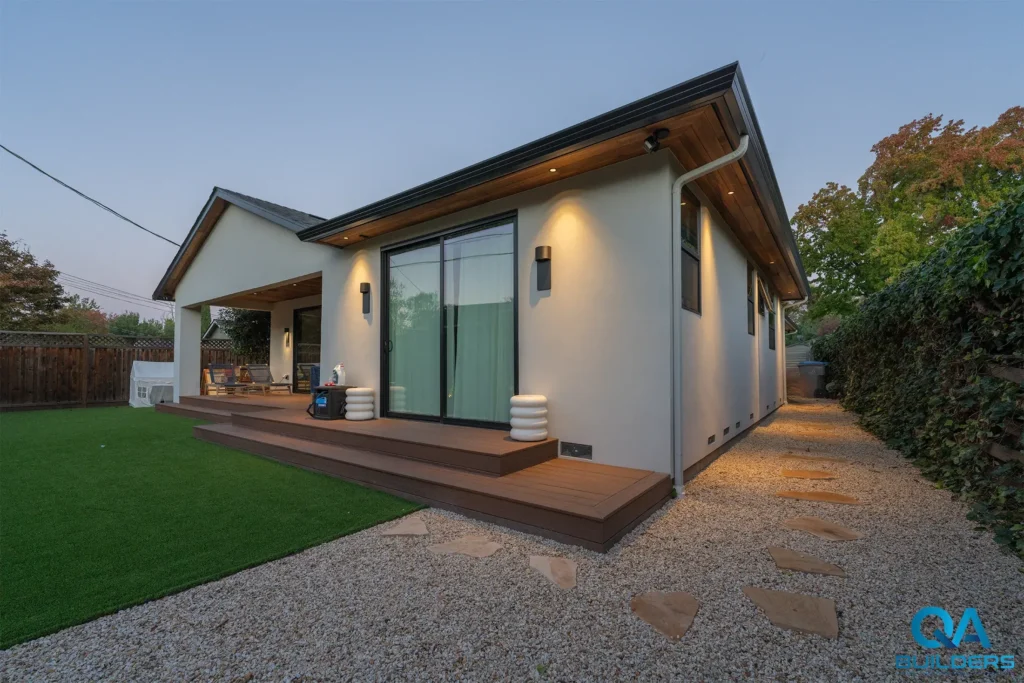
Outdoor space is one of the most neglected parts of a renovation. We have seen many homeowners focus only on the interior and forget that a well-planned connection to the yard adds a great deal of value and enjoyment.
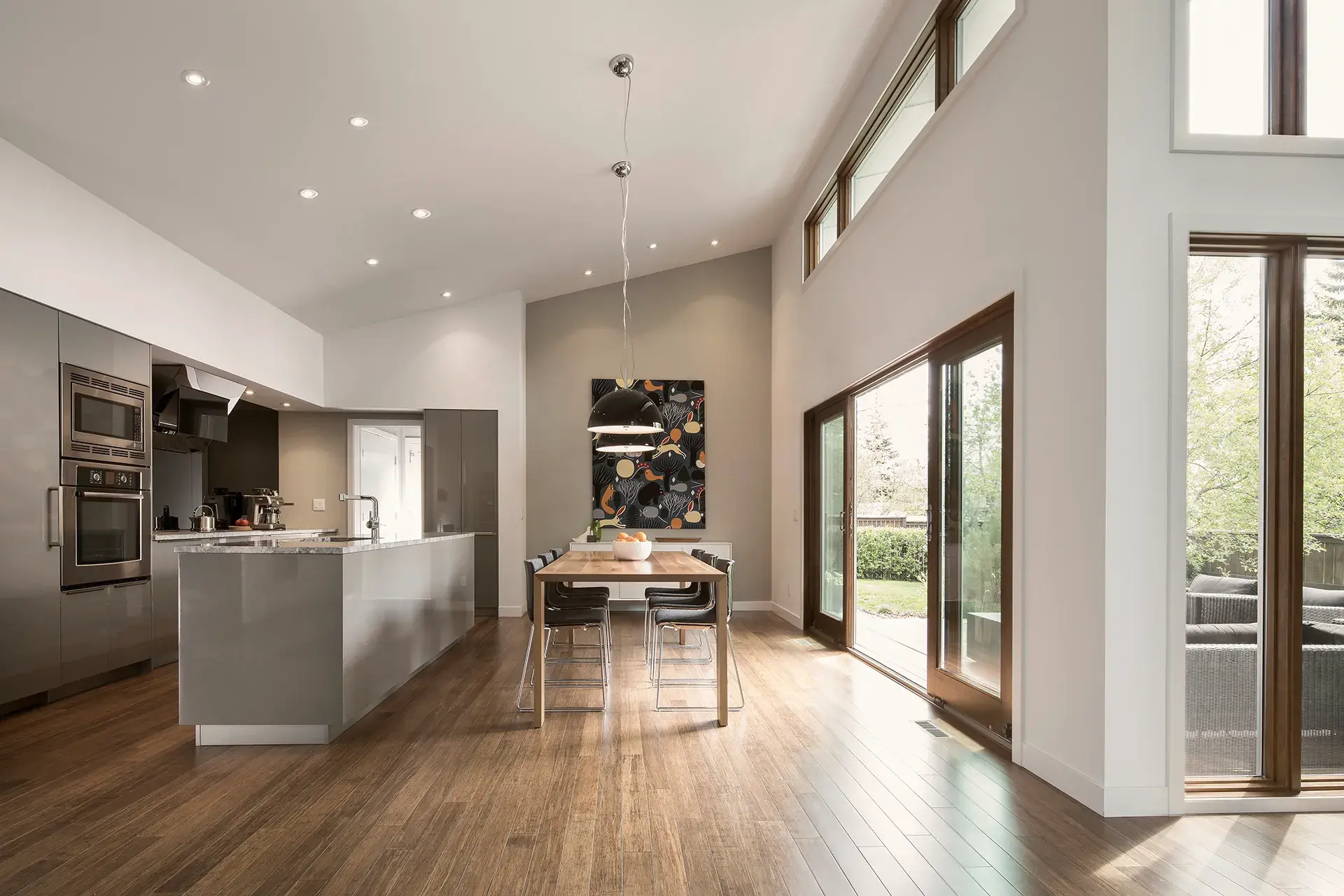
How to avoid it: even if the yard itself comes later or goes to a landscape contractor, decide during the remodel where doors and windows open onto it. A wide door from the kitchen or family room to a patio area, a step-free threshold and an outdoor outlet or light are cheap to add while the walls are open. Done well, the yard becomes an extension of the house for relaxing and entertaining.
13. Over-renovating for the neighborhood
We have seen homeowners spend heavily on luxury upgrades without considering the value of homes around them. Over-renovating makes it hard to get the money back when you sell, because the house ends up priced above the local market.
How to avoid it: match the level of finish to the area. Skip heavy customizing and luxury upgrades that will not return their cost, and keep the renovation budget in line with local property values. If the space you need would push the house far above its neighbors, read remodel or move before committing.
14. Not thinking about resale value
Changes that reduce resale value are a costly mistake. We have seen homeowners add features so personal, or designs so bold, that they would not appeal to most buyers.
How to avoid it: keep future buyers in mind. Neutral colors, timeless designs and broadly useful features appeal to more people. If you want bold choices, put them in things that are easy to change, such as paint and decor. You will be much more likely to attract buyers when it is time to sell.
Recent QA Builders projects
Real jobs, real photos: open a project to see every photo.
Before work starts: a 10-point check
Run through this list before you sign or before demolition day. Each line prevents one of the mistakes above.
- The budget has categories and a contingency of 15-20%.
- Drawings, a schedule and a materials list exist, with lead times for special orders.
- The contractor’s license, bond and workers’ compensation are checked on the state board’s website.
- The written contract lists the scope, materials, price, payment schedule and who pulls the permits.
- The permits are issued, or the contractor has confirmed in writing that none are needed.
- Any structural, water or electrical problems found in the house are in the plan.
- The lighting plan and outlet locations are drawn.
- Bathroom fans and the range hood vent to the outside.
- Insulation and efficiency upgrades are decided while walls will be open.
- Finish choices fit the neighborhood and the buyers you may sell to.
Home remodeling questions we hear often
What comes first in renovations?
Planning and budgeting come first, then the structure (foundation, roof and walls), and only then smaller changes like painting and fixtures. Fixing the structure before finishes keeps you from tearing out new work later.
How do I make a renovation checklist?
Work through the project area by area, for example the kitchen and then the bathroom. For each area, list the tasks, set priorities, and note the materials, budget and timeline for each task. For additions, our home addition checklist is a ready-made version.
How do I check the work after a renovation?
Inspect walls, ceilings and floors carefully for damage or weak spots, and watch for cracks, bulges or water marks that may point to a structural problem. Test every outlet, switch, faucet, door and window, confirm the city’s final inspection is signed off, and hold the final payment until the punch list is done.
Plan your remodel with QA Builders
QA Builders is a licensed California general building contractor (CSLB License #1073096) with over 15 years of experience and 500+ projects completed. We handle kitchen remodeling, bathroom remodeling, whole house remodels and home additions for homeowners in San Jose, Willow Glen, Santa Clara, Sunnyvale, Campbell, Saratoga, Los Gatos, Cupertino, Palo Alto, Mountain View and nearby towns. Call (669) 213-8077 or contact us for a free consultation and estimate.